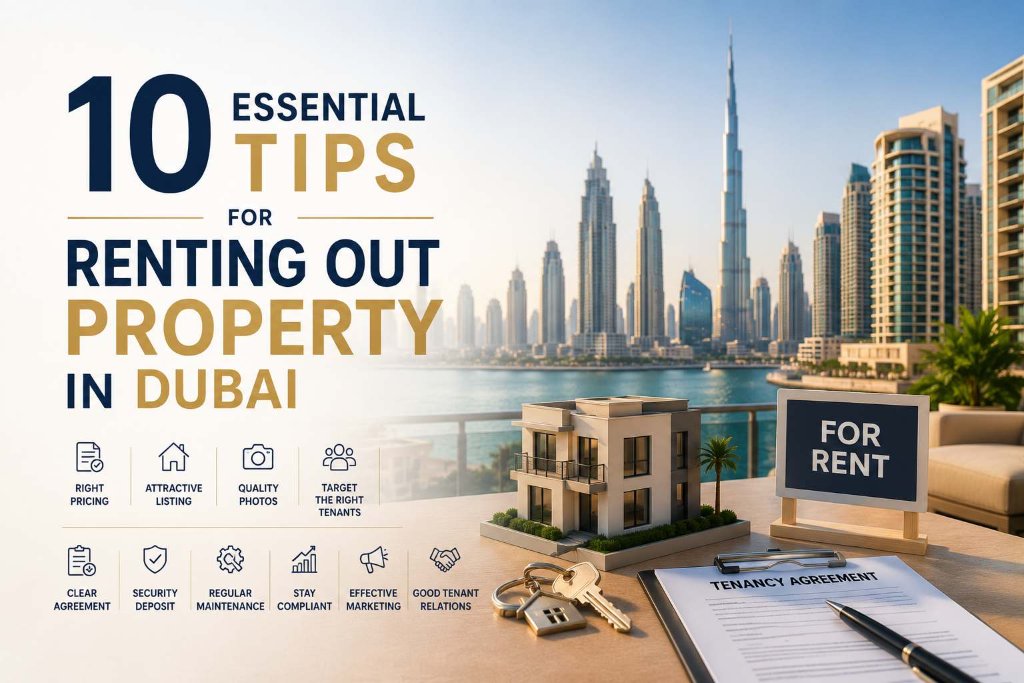
A vacant unit can lose value quickly when it sits unpresented, unclear on pricing, or delayed by avoidable maintenance. For landlords asking how to prepare rental property for the Dubai market, the objective is not simply to make it look clean. It is to position a compliant, tenant-ready asset that can be viewed confidently, leased at a supportable rate, and handed over with minimal friction.
Dubai tenants have choices across ready apartments, villas, and new developments. The properties that perform best are usually the ones where condition, pricing, paperwork, and presentation have been addressed before the first viewing is scheduled.
Start With a Commercial Leasing Plan
Preparation should begin with the rental strategy, not the cleaning crew. Confirm whether the property will be offered furnished, unfurnished, or with kitchen appliances only. Each option attracts a different tenant profile, affects the achievable rent, and changes the level of maintenance responsibility.
A furnished apartment may appeal to new Dubai residents and corporate tenants seeking speed and convenience. It also requires durable furniture, complete inventory records, and a realistic allowance for replacement costs. An unfurnished home can attract longer-term tenants who want to personalize the space, but it must still feel complete and functional at viewing.
Next, assess the asking rent against current competing stock in the same community, building, size category, floor range, and condition. Do not rely only on the last rent achieved or a broad area average. A unit with an open view, upgraded kitchen, parking, or immediate availability can justify a different position than a similar-sized unit elsewhere in the building.
The right asking rent is a balance. Pricing too high can extend vacancy and weaken negotiating leverage. Pricing too low may create fast interest but reduce annual income and reset expectations for future renewals. A focused market review before launch gives landlords a better basis for deciding where speed matters more than a small premium.
Complete Maintenance Before Marketing
A tenant should not be the first person to identify defects. Arrange a full inspection while the property is vacant, when technicians can access every room and repairs can be completed without disrupting occupancy.
Test the air conditioning, water pressure, hot water, lighting, sockets, appliances, exhaust fans, door locks, windows, and intercom or access systems. In Dubai, air conditioning performance deserves particular attention. A unit that looks excellent but has weak cooling, blocked drains, or inconsistent airflow can quickly become a source of complaints and move-in delays.
Address cosmetic issues as well as functional ones. Repaint marked walls in neutral tones, repair chipped tiles and cracked grout, replace damaged silicone in bathrooms, tighten loose handles, and remove old adhesive marks. Small defects may seem minor individually, but together they tell a prospective tenant that the property has not been managed carefully.
For villas, expand the review to exterior lighting, boundary gates, garden irrigation, pool equipment, roof drainage, and any outdoor kitchen or shade structure. If the tenant will assume responsibility for garden or pool maintenance, state that clearly in the lease terms and handover record.
Choose Repairs That Protect Income
Not every vacancy calls for a renovation. The decision depends on the property’s position, target rent, expected tenant type, and the condition of competing homes. A full kitchen replacement rarely makes commercial sense if minor repairs, new hardware, and professional cleaning will make the existing kitchen competitive.
Spend first on issues that affect safety, daily use, and market perception: cooling, plumbing, electrical systems, bathrooms, flooring, paint, and lighting. Then consider upgrades that clearly improve leasing appeal, such as modern fixtures, efficient appliances, built-in storage, or refreshed balcony finishes.
Prepare the Property for Viewings
Professional presentation is part of the rental asset, not an optional extra. Deep-clean the unit after maintenance is finished, including inside cabinets, appliances, balcony areas, vents, glass, and bathrooms. Remove construction debris, unused furniture, personal items, and spare materials from closets and storage areas.
A vacant property should feel bright, open, and ready for immediate occupation. Replace failed bulbs, open curtains or blinds, and ensure every space is accessible. If the home is furnished, reduce visual clutter and make sure furnishings are clean, coordinated, and in working order. An overcrowded unit often feels smaller than it is.
Photography and video should be completed only after the property meets this standard. Accurate, well-lit marketing materials help filter serious inquiries and set proper expectations before a tenant arrives. They should show the actual condition and layout, including meaningful features such as balcony size, built-in storage, parking, community amenities, or views. Misleading images may increase clicks, but they waste viewing time and undermine trust.
Organize Documents and Building Requirements
Leasing delays often occur because the property is physically ready but the documents are not. Before accepting a tenant, gather the ownership and building information needed for the transaction and confirm any current community or building procedures for move-in approvals, access cards, elevator bookings, and contractor access.
In Dubai, landlords should make sure the tenancy contract is clear on rent payment dates, security deposit, maintenance responsibilities, notice requirements, permitted use, and any furnishing or appliance provisions. The tenancy should be registered through Ejari in line with applicable Dubai requirements. Processes can change by building and authority, so current requirements should be verified before handover rather than assumed from a previous lease.
If a landlord is outside the UAE or uses a representative, establish who can approve repairs, receive notices, coordinate access, and manage emergency decisions. A responsive point of contact protects both the tenant experience and the property’s condition.
Build a Proper Handover File
The handover file is one of the simplest ways to prevent later disagreements. It should document the property’s condition when possession changes hands. Include dated photos or video, meter readings where relevant, the number of keys and access cards, parking remotes, appliance manuals, and an inventory list for furnished homes.
The inventory should be specific enough to be useful. “Living room furniture” is not sufficient. Record the major items, their condition, and any existing marks or damage. Both parties should review and acknowledge the record before or at handover.
This process is particularly valuable when a security deposit will be held against damage beyond normal wear and tear. Clear evidence does not eliminate every dispute, but it makes the conversation more objective at move-out.
Set Expectations Before the Tenant Moves In
A strong tenancy begins with practical clarity. Explain how maintenance requests should be submitted, which issues are the tenant’s responsibility, and how urgent repairs will be handled. Provide relevant building contacts and instructions for waste collection, parking, amenity access, and move-in rules.
Be precise about service charges or utilities that remain connected to the property, as well as any accounts the tenant must activate. For furnished properties, explain how appliance faults will be reported. For villas, clarify arrangements for pest control, landscaping, pool care, and irrigation from the beginning.
Landlords should also decide on their maintenance approach before the lease starts. Some prefer to approve every repair individually, while others authorize a property manager to handle routine issues up to an agreed limit. The best structure depends on the owner’s availability and the property type, but delayed responses can turn a minor problem into a costly repair or an unhappy tenant.
Make the Launch Timely and Measurable
Once the property is ready, publish it with complete information: available date, annual rent, payment terms, furnishing status, size, parking, key features, and viewing availability. Incomplete listings generate low-quality inquiries and create unnecessary follow-up work.
Track feedback from the first viewings. If prospects repeatedly mention poor lighting, an outdated fixture, unclear payment terms, or a more attractive competing option, treat that feedback as market intelligence. A quick adjustment in presentation or pricing may be more effective than allowing the listing to remain unchanged for weeks.
Preparing a rental property well is ultimately a risk-management exercise as much as a marketing task. A clean, documented, properly priced home attracts better inquiries, supports a smoother handover, and gives the tenancy a stronger starting point. For Dubai landlords, that preparation can make the difference between a vacancy that drags on and an asset that begins producing income with confidence.