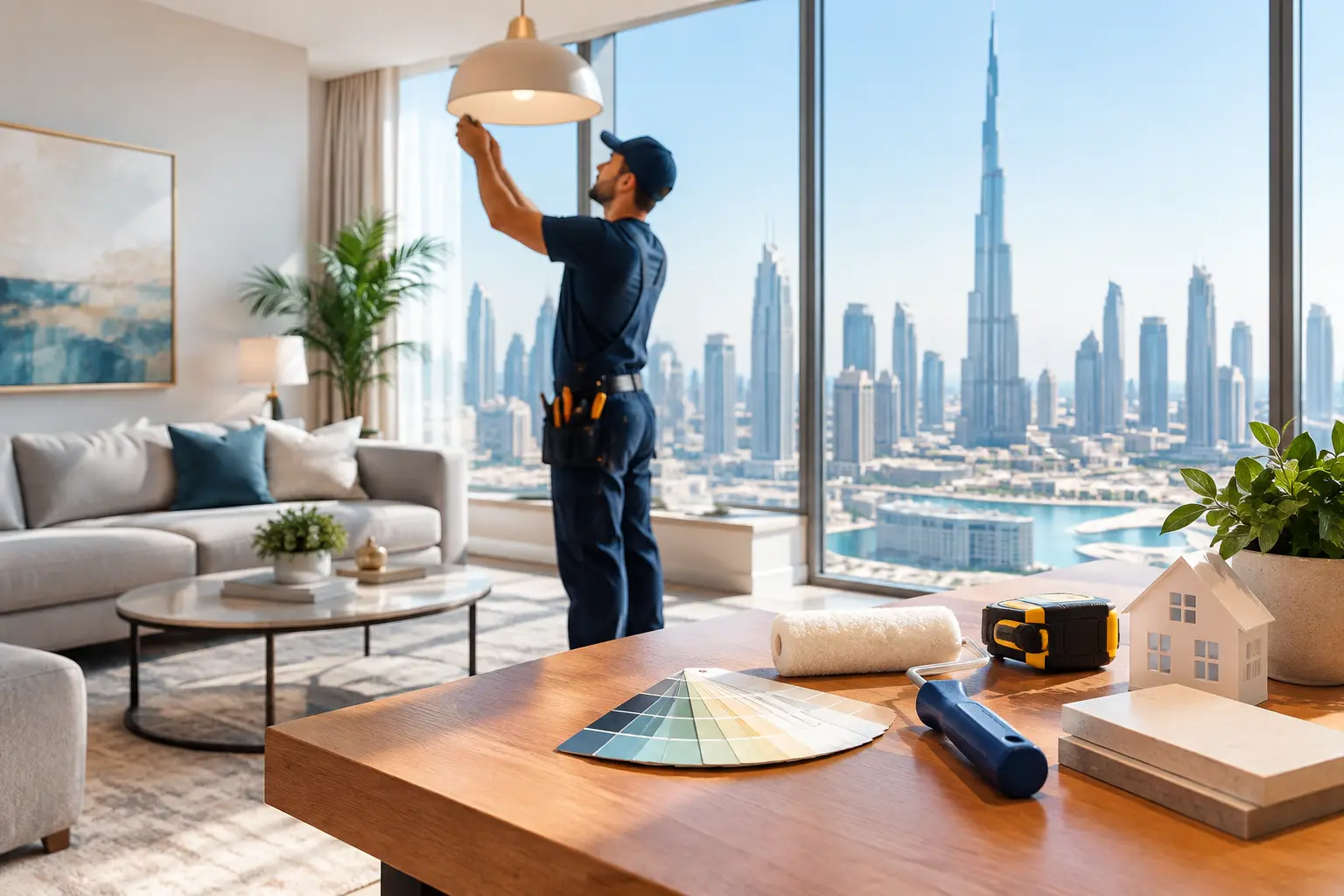
A buyer’s first viewing often determines whether they negotiate seriously, keep looking, or make an offer. The best upgrades before selling property are not necessarily the most expensive ones. They are the improvements that remove doubts, present the home well online and in person, and help buyers see the property as move-in ready.
For Dubai sellers, that distinction matters. Buyers compare a high volume of apartments, villas, and townhouses, often within the same community or building. If a competing unit feels cleaner, brighter, and better maintained at a similar price, a major renovation in your property may not be enough to recover its cost. The right approach is to improve condition, presentation, and buyer confidence while keeping the expected sale price firmly in view.
Start With the Property’s Market Position
Before approving any work, assess the property against direct competition. Look at comparable homes that are currently listed and those that have recently sold in the same building, community, or development. A renovated kitchen may help a dated apartment compete, for example, but it may add little value if most nearby units have similar finishes and buyers are primarily focused on view, floor level, layout, or proximity to transport.
This is especially relevant in Dubai, where the value gap between buildings and even unit types can be substantial. A well-presented one-bedroom apartment in a sought-after tower may benefit most from cosmetic work and professional staging. A villa in an established family community may justify more attention to landscaping, outdoor living areas, and kitchen functionality.
Set a realistic budget based on the likely price difference the work can create, not on what the property owner personally prefers. A seller who spends AED 150,000 on highly specific finishes may not receive that amount back. Buyers tend to pay for quality and condition, but they rarely pay a premium for design choices that do not match their own taste.
Best Upgrades Before Selling Property: Fix the Basics First
Deferred maintenance is the fastest way to reduce buyer confidence. A buyer may not know the cost of every repair, but they will assume a visible problem indicates others they have not yet found. Small defects can therefore lead to larger discount requests during negotiation.
Start with functioning doors, cabinet hinges, locks, faucets, switches, outlets, air conditioning controls, and appliances that are included with the sale. Repair water stains, leaks, cracked tiles, damaged grout, loose handles, and peeling sealant around kitchens and bathrooms. In apartments, make sure balconies are clean, drainage points are clear, and sliding doors operate properly. In villas, inspect gates, exterior lighting, irrigation, pool equipment, and outdoor paving.
Air conditioning deserves particular attention in Dubai. A unit that is noisy, weak, leaking, or poorly maintained can quickly become a concern during a viewing. Arrange servicing where needed and retain records if they are available. The goal is not to make technical promises, but to show that the home has been responsibly maintained.
Fresh Paint Has an Outsized Effect
A neutral, professionally applied paint refresh is usually one of the most reliable pre-sale investments. It removes scuffs, covers minor wear, brightens rooms, and makes photography significantly stronger. White, soft warm gray, sand, and light beige tones generally photograph well and appeal to a broad buyer pool.
Avoid bold feature walls, highly personalized colors, or unfinished touch-up work. A small paint mismatch can make a room feel neglected. If the property has strong natural light or a desirable view, choose shades that support those features rather than competing with them.
Improve Lighting and Visual Clarity
Lighting changes how buyers read the size and condition of a property. Replace failed bulbs, use matching color temperatures, clean fixtures, and remove overly harsh or dim lighting where practical. Warm-neutral LED lighting typically makes living spaces feel more inviting without giving them a yellow cast.
This is not a reason to install decorative fixtures throughout a property. A simple, modern pendant over a dining area or upgraded vanity lighting can help where existing fittings are visibly dated. However, lighting should support the space, not become a costly design project.
Focus on Kitchens and Bathrooms - Without Overbuilding
Kitchens and bathrooms influence perception because buyers associate them with both renovation cost and daily comfort. Full replacements can be worthwhile when rooms are materially outdated, damaged, or inconsistent with the property’s price bracket. More often, targeted improvements deliver a better return.
In a kitchen, consider replacing damaged countertops, worn cabinet fronts, mismatched handles, old faucets, and visibly dated backsplashes. Deep-clean appliances, repair drawers, and clear counters before photography. If cabinet boxes are sound, repainting or refacing can be more commercially sensible than installing a custom kitchen.
In bathrooms, focus on fresh grout, clean silicone, working ventilation, repaired leaks, updated mirrors, modern faucets, and a spotless shower screen. Replace cracked basins or chipped fixtures when necessary. These changes make the room feel cared for without requiring a full redesign.
The trade-off is timing. Major kitchen or bathroom renovations can delay a sale, create disruption, and expose the seller to cost increases. If the property is in a building where purchasers are likely to renovate to their own style anyway, a clean and functional presentation may be the stronger choice.
Make Outdoor Areas and Storage Work Harder
For villas, townhouses, and apartments with terraces, outdoor space can become a deciding factor. Clean balconies thoroughly, remove damaged furniture, pressure-wash exterior surfaces where permitted, and make sure planting is controlled rather than overgrown. A simple seating arrangement can help buyers understand how a terrace or garden can be used.
Villa sellers should also address first impressions from the street. A clean entrance, maintained landscaping, repaired boundary walls, and working exterior lights signal care before a buyer enters the home. In communities where outdoor space is a key differentiator, neglected gardens can undermine an otherwise strong interior.
Storage should be presented as a benefit, not a collection point for unwanted items. Declutter closets, utility rooms, kitchen cabinets, and built-in wardrobes. Buyers will inspect them. A partly empty, organized storage area looks more generous than a full one, even when the physical dimensions are identical.
Do Not Overlook Cleaning, Staging, and Photography
Not every effective upgrade involves construction. Deep cleaning is essential, particularly for windows, grout, curtains, air vents, mirrors, balconies, and kitchen appliances. Remove personal photographs, excessive decor, and bulky furniture that blocks circulation. The property should feel lived in enough to be warm, but neutral enough for buyers to imagine themselves there.
Staging can be valuable for vacant homes and for properties with awkward layouts. It helps show the purpose and scale of each room, especially in smaller apartments. For occupied homes, editing existing furniture may be enough. The objective is clarity, not an artificial showroom.
Professional photography is part of the sale strategy, not an afterthought. Strong images can increase inquiry volume, while poor images may prevent qualified buyers from booking a viewing at all. Complete repairs, cleaning, and styling before the photo shoot. Marketing a property while work is still underway can lock in a weaker first impression.
Upgrades That Often Miss the Mark
Some investments look impressive but do not consistently improve sale results. Highly customized built-ins, expensive smart-home systems, luxury finishes beyond the neighborhood standard, and elaborate landscaping can narrow the buyer audience or fail to justify their cost.
Solar panels, major structural changes, and room reconfigurations require more careful analysis. They may suit a long-term owner, but sellers need to consider approvals, documentation, construction timelines, and whether buyers in that location will value the improvement. A change that works well in a primary residence does not automatically produce a stronger resale outcome.
The same caution applies to furnishing packages. If furniture is included, it should enhance the buyer’s perception of value and be clearly documented. If it is worn, overly personal, or difficult to price, removing it may make the transaction simpler.
Choose Work That Supports Your Pricing Strategy
The most productive pre-sale budget is one that makes the property easy to compare favorably. It should reduce objections, improve listing performance, and support the asking price with visible condition. A good advisor can help prioritize work according to current competing inventory, buyer expectations, and the likely sales timeline.
LE Properties can assess how a proposed upgrade fits the property’s position in its specific Dubai market. Sometimes a focused refresh is enough to move faster. In other cases, a more substantial renovation is justified because the home is competing in a higher-value segment.
Before spending, ask a simple commercial question: will this improvement help the next buyer feel more confident at this price? If the answer is yes, and the cost is proportionate to the market, it is probably work worth doing.