A tenant may be impressed by a polished lobby during a viewing, but the decision to sign or renew usually comes down to daily practicality. The best property features for tenants reduce friction: a manageable commute, dependable cooling, sufficient storage, practical parking, and a building that is run properly. For landlords and investors in Dubai, these details directly affect inquiry volume, achievable rent, vacancy periods, and the quality of tenants attracted.
The right feature mix is not identical for every property. A young professional renting near a business district, a family seeking a larger home, and a short-term corporate tenant will prioritize different things. The goal is to understand which features carry real weight for the intended tenant profile, then assess them alongside location, asking rent, and building condition.
Best Property Features for Tenants: Start With Daily Use
A useful property feature solves a recurring need, not just a viewing-day objection. Attractive finishes can help a listing photograph well, but they rarely compensate for poor access, inadequate maintenance, or a layout that makes everyday living difficult.
For Dubai rentals, tenants often compare multiple units within the same community or tower. When the rental range is similar, small operational advantages can determine the outcome. A designated parking space, built-in kitchen appliances, a balcony with usable space, or a landlord who responds quickly can make one property substantially more competitive than another.
Investors should also separate features that support rental demand from upgrades that may not recover their cost. High-end customization in a mid-market apartment may narrow the audience rather than raise the rent. Durable, neutral improvements and well-maintained essentials generally provide the better return.
Reliable Cooling and Utility Performance
Air conditioning is a core requirement in Dubai, not a premium extra. Tenants want to know whether the system cools effectively, how it is maintained, and whether cooling charges are included in the rent or billed separately. Unclear utility costs can create hesitation, especially for tenants relocating from abroad or budgeting carefully for their first year in the city.
A property should have air conditioning units that are serviced, quiet, and able to cool every room consistently. Owners should resolve issues with filters, drainage, thermostats, and uneven airflow before marketing the home. A unit that is attractive but uncomfortable in the summer will struggle to retain tenants.
Other utility details matter as well. Good water pressure, reliable hot water, functional kitchen appliances, and adequate electrical outlets are easy to overlook until a tenant moves in. These are basic standards, but meeting them consistently helps protect the property’s reputation and reduces avoidable maintenance calls.
Location Access Matters More Than a View Alone
Views can support a higher asking rent, particularly in waterfront, skyline, or golf-oriented communities. Yet access usually has a broader impact on tenant demand. Proximity to major roads, public transportation, workplaces, schools, supermarkets, and healthcare facilities can be more valuable than a visual selling point that does not improve a tenant’s routine.
For professionals, convenient access to business hubs such as DIFC, Downtown Dubai, Dubai Marina, Business Bay, or Dubai Media City can be a decisive factor. Families may place more value on school routes, nearby parks, grocery options, and lower-traffic access to their community. Investors should market the location based on the audience the property is designed to attract rather than relying on generic claims about convenience.
Walkability is also increasingly relevant. A building near retail, cafés, daily services, and a metro station can appeal to tenants who prefer to reduce driving. In communities where cars remain essential, easy entry and exit routes plus reliable visitor parking become more important.
Practical Layouts, Storage, and Outdoor Space
Square footage matters, but layout often matters more. Tenants respond well to rooms that can be furnished easily, bedrooms with proper wardrobe space, kitchens with usable counters, and living areas that do not lose too much space to corridors or awkward corners.
A one-bedroom apartment with a defined work area can outperform a slightly larger unit with an inefficient plan. Remote and hybrid work have made this particularly relevant. A small study, a flexible dining area, or simply enough room for a desk can broaden the property’s appeal without requiring a separate office.
Storage is one of the most underappreciated rental features. Built-in wardrobes, linen cupboards, pantry cabinets, and storage rooms help tenants picture a long-term stay. In furnished properties, owners should avoid filling every corner with decorative furniture. Tenants need usable space for their own belongings.
Balconies also remain valuable, especially when they are wide enough for seating and offer reasonable privacy. A compact but functional balcony can improve the rental proposition in an apartment building. It depends on the property type and location, but outdoor space is often more compelling when it is clean, shaded where possible, and accessible from the main living area.
Building Management, Security, and Maintenance
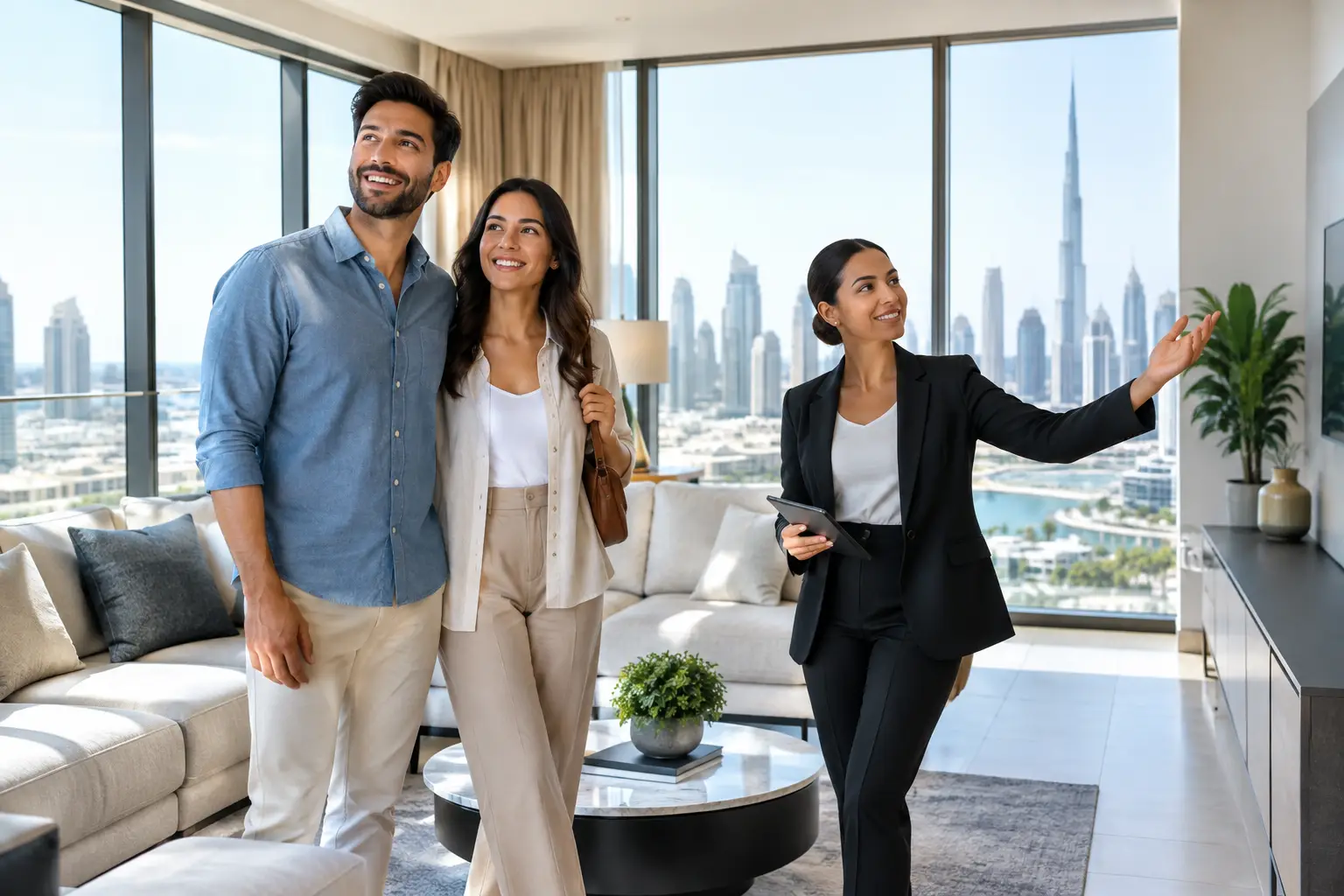
Tenants rent the building experience as well as the apartment. Clean common areas, efficient elevators, professional security, and clear move-in procedures signal that the property is well managed. These factors are difficult to convey in listing photos, but they strongly influence viewings and renewals.
A well-run building should offer controlled access, working intercom systems, sufficient elevator capacity, and responsive facilities management. For families, security and safe communal areas can be major priorities. For professionals, delays at elevators, parking gates, or reception can become daily frustrations that affect renewal decisions.
Landlords also have a direct role to play. A clear handover, accurate inventory for furnished units, and a defined process for reporting repairs set the right expectations. Quick, documented responses to maintenance issues help preserve a tenant relationship and can prevent a minor repair from becoming an expensive vacancy.
Amenities That Match the Tenant Profile
Amenities can strengthen a rental listing, but only when they are usable and relevant. A clean gym, temperature-controlled pool, children’s play area, shared work lounge, or landscaped outdoor space can justify interest in a competitive market. The quality and maintenance of these facilities matter more than having a long amenities list.
For a young professional audience, a gym, pool, concierge service, coworking space, and nearby dining may carry the most weight. For families, a children’s pool, play area, community parks, safe walking routes, and nearby schools are often more meaningful. In villa communities, private gardens, covered parking, maid’s rooms, and community recreation facilities may be stronger rental drivers.
Pet-friendly policies can also widen the tenant pool, particularly in communities popular with expatriate residents. However, owners should confirm the building or community rules before advertising a property as pet-friendly. Accurate marketing avoids conflict after a tenant has committed to the unit.
Parking, Connectivity, and Smart Convenience
Covered, allocated parking is a practical advantage in Dubai, particularly in buildings where visitor spaces are limited. For larger apartments and villas, the number of spaces should match the likely household size. Tenants will often rule out an otherwise suitable home if parking is uncertain or inconvenient.
Fast internet availability is another essential consideration. A property does not need every smart-home feature to appeal, but reliable connectivity is expected by professionals, families, and corporate tenants alike. Smart locks, video doorbells where permitted, digital access systems, and energy-monitoring tools can add value when they are simple to use and professionally maintained.
Technology should support convenience, not create another point of failure. Before investing in smart upgrades, owners should prioritize dependable appliances, quality locks, functioning access cards, and clear instructions for tenants.
How Landlords Should Prioritize Improvements
The most effective upgrades are usually the ones that remove objections during a viewing. Start by addressing maintenance, cleaning, lighting, cooling, and any obvious wear. Then consider improvements that suit the property’s tenant profile, such as adding appliances to a professional-focused apartment or improving storage and shade in a family home.
Before spending on upgrades, compare competing listings in the same building and nearby communities. Look at their condition, furnishings, amenities, parking, and asking rents. This helps establish whether an investment will make the property more rentable or simply more expensive to prepare.
At LE Properties, property advice is most useful when it connects features to the actual rental market, not a generic checklist. A feature that commands attention in a Dubai Marina apartment may have little effect on a villa aimed at families in a suburban community.
The strongest rental properties make a tenant’s next year feel easier before they have even moved in. Focus on the details they will use every day, present them clearly, and maintain them well after the lease is signed.